
The historical evolution of gambling a journey through time
Ancient Origins of Gambling
The history of gambling dates back thousands of years, with evidence of betting activities found in ancient civilizations such as Mesopotamia and China. Archaeological findings suggest that dice, crafted from bones and stones, were used as early as 3000 BC. These primitive games of chance were often intertwined with religious rituals, reflecting the early human fascination with fate and fortune. In ancient China, the use of keno slips is believed to have provided funding for the Great Wall, indicating that gambling was not just a leisure activity but also served significant societal purposes. Today, platforms like https://spinyoocasino-nz.co/ present similar chances to explore games of chance.
The Romans also contributed to the evolution of gambling, introducing a variety of games that included betting on gladiatorial contests and chariot races. The concept of wagering on outcomes was not only popular among the masses but also embraced by the elite, who often hosted lavish gambling events. These gatherings established a culture of betting that extended beyond mere games, signifying a broader social phenomenon that linked politics, entertainment, and economy.
As civilizations progressed, so did the complexity of gambling activities. The establishment of formal rules and structures marked the transition from informal betting to organized gaming. In medieval Europe, gambling became institutionalized, leading to the creation of the first lottery systems and betting houses. This evolution laid the foundation for the modern gambling industry, shaping the way people engage with games of chance today.
The Rise of Casino Culture
The 17th century marked a pivotal moment in the history of gambling, with the emergence of dedicated gambling houses, or casinos, across Europe. The Casino di Venezia, established in 1638, is recognized as the world’s oldest casino, setting the stage for the burgeoning casino culture. These establishments offered a variety of games, including card games, roulette, and dice games, attracting both local patrons and wealthy travelers. The atmosphere of these venues was one of luxury and indulgence, making gambling an integral part of high society.
During the 18th century, gambling spread to the Americas, with the establishment of casinos in cities like New Orleans. These venues not only provided entertainment but also served as social hubs where individuals from diverse backgrounds could engage in gaming. The allure of gambling was further enhanced by the notion of risk and reward, creating an environment that thrived on excitement and chance. This period also saw the introduction of games like poker, which would later become iconic in American gambling culture.
The 19th century brought about significant changes in gambling regulations, leading to the establishment of legal frameworks governing casinos. This period witnessed the rise of renowned gambling destinations, such as Monte Carlo, which solidified the casino experience as a luxurious pastime for the elite. The development of new games and the standardization of rules further contributed to the popularity of gambling, making it accessible to a wider audience and setting the stage for the gaming boom of the 20th century.
The Impact of Technology on Gambling
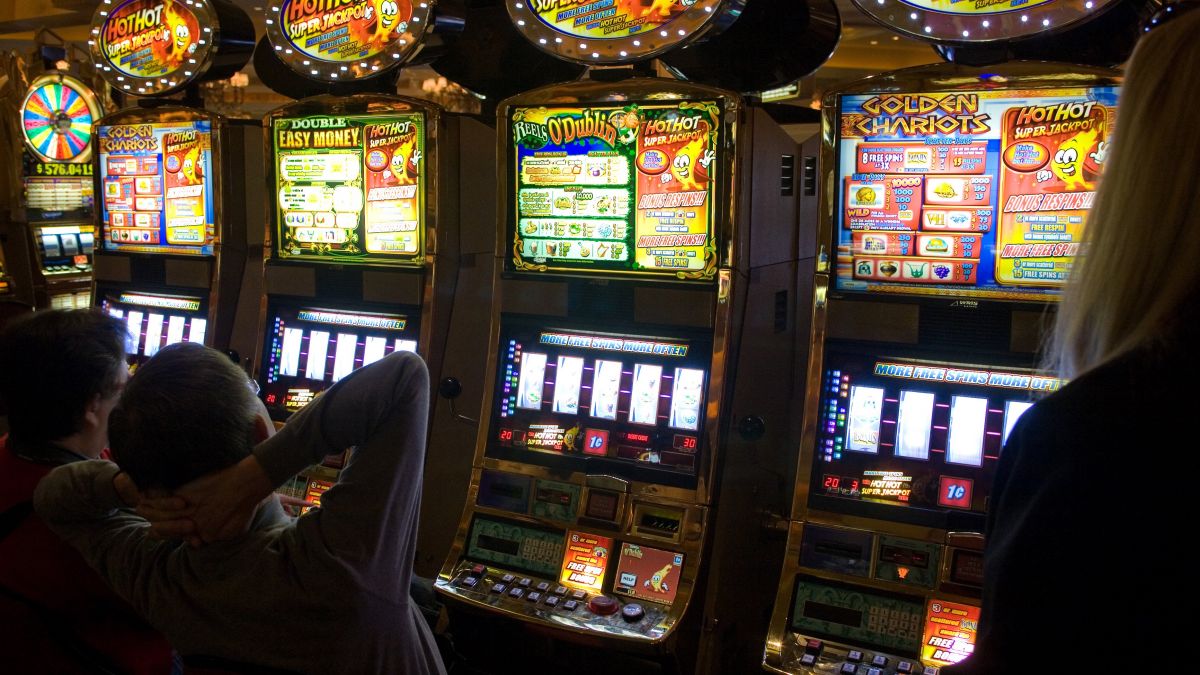
The advent of technology in the 20th century revolutionized the gambling landscape. The introduction of electronic slot machines in the 1960s transformed casinos by offering players a new and engaging gaming experience. Unlike traditional games, these machines provided instant gratification through their fast-paced, colorful interfaces. The success of slot machines led to their proliferation across casinos worldwide, making them a staple of the gambling experience.
With the rise of the internet in the late 1990s, online gambling emerged, creating an entirely new realm for players. The ability to gamble from the comfort of one’s home opened the doors for many who may have never set foot in a physical casino. Online platforms offered a diverse range of games, from virtual slots to live dealer experiences, catering to various preferences. As technology advanced, so did the security measures in place, ensuring a safer environment for online players.
The integration of mobile technology further transformed gambling, enabling players to access their favorite games on smartphones and tablets. This accessibility has led to a dramatic increase in participation, particularly among younger generations. Gamification elements, such as rewards and challenges, have also made online gambling more engaging, creating a fusion of entertainment and gaming that resonates with today’s tech-savvy audience.
The Legalization and Regulation of Gambling
The late 20th century and early 21st century marked a significant shift in the perception and regulation of gambling. Many jurisdictions began to recognize the potential economic benefits of legalized gambling, leading to the establishment of regulated markets. Countries like the United Kingdom and various states in the U.S. implemented comprehensive gambling laws, fostering responsible gaming practices while also generating substantial tax revenue.
In the United States, the legalization of sports betting in 2018 marked a new era for the gambling industry. This development not only expanded the types of betting available but also encouraged states to explore ways to regulate and benefit from the activity. This shift prompted a broader conversation about gambling addiction and responsible practices, highlighting the importance of player protection in the evolving landscape.
Internationally, the rise of online gambling regulation has also been a focal point, as countries grapple with the balance between consumer freedom and the need for oversight. Various jurisdictions have established licensing bodies to ensure fair play and transparency, reassuring players about the integrity of the platforms they choose. The ongoing evolution of gambling legislation continues to shape the industry, reflecting changing societal attitudes and technological advancements.

Modern Gambling Platforms and Player Experience
Today, gambling has evolved into a diverse industry that caters to a global audience. Online casinos like SpinYoo Casino exemplify this evolution, offering an extensive library of games, including pokies and live dealer options tailored for specific regions. With advancements in technology, these platforms provide immersive experiences that rival traditional casinos, complete with engaging graphics, sound effects, and real-time interactions.
SpinYoo Casino, in particular, emphasizes player satisfaction with generous welcome bonuses, cashback programs, and easy transaction processes. The integration of mobile gaming ensures that players can enjoy their favorite games anytime, anywhere. The user-friendly interfaces and seamless navigation create a welcoming environment for both new and experienced players, enhancing the overall gaming experience.
Furthermore, as the industry continues to grow, there is a strong focus on responsible gaming practices. Modern platforms prioritize player protection by implementing tools that promote safe gambling behaviors. This commitment to player welfare ensures that gaming remains an enjoyable and safe experience, fostering a positive relationship between players and the gambling industry.